
RPM Tuning: The Controversial "Last Top Gear" of the 128-bit Era You Almost Forgot
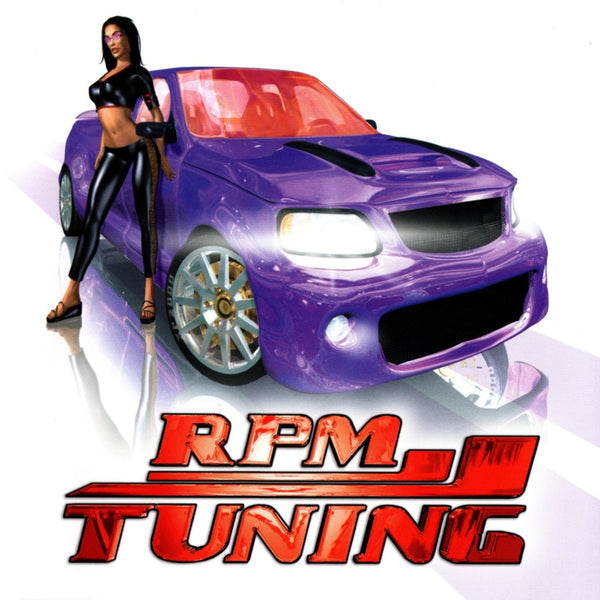
If you, like me, grew up spending your lunch money on Top Gear cartridges for the SNES, you probably had a shock seeing the RPM Tuning box on a rental-shop shelf sometime around 2004. Same logo, same arcade-racing vibe in the name — and a completely different game underneath. This title is, perhaps, the strangest (and most forgotten) chapter in the franchise's history, and the controversy around it still gets rehashed on retrogaming forums to this day.
A Top Gear Nobody Asked For
Released in 2004 by Babylon Software and distributed by Wanadoo/SCi, RPM Tuning came out on PlayStation 2, Xbox and PC, carrying the name Top Gear: RPM Tuning in some markets. The premise was clear: ride the tuning-culture fever that Need for Speed Underground had just injected straight into gamers' veins, and sell it under the Top Gear brand to the nostalgic crowd.
The problem? The game arrived a year after Underground, with half the polish and handling that felt like it had been calibrated on a shopping-trolley simulator. International critics were harsh — Metacritic averages in the 40s and 50s — and audiences never even had time to forgive it.
Why Brazilian Fans Felt Betrayed
To understand the backlash, you need to remember how much weight Top Gear 1, 2 and 3000 carried around here. That Kemco game with Barry Leitch's soundtrack, split-screen and a world championship was practically a national sport between 1992 and 1996. Slapping "Top Gear" on a PS2 box in 2004 was messing with a sacred relic.
And what did players find inside? A generic street racer, with a catalogue of cosmetic parts, tacky spoilers and a forgettable techno soundtrack. No nod to the Formula-style cars, no wink at the SNES, no respect for the legacy. Just the logo recycled to shift copies.
What Actually Works in RPM Tuning
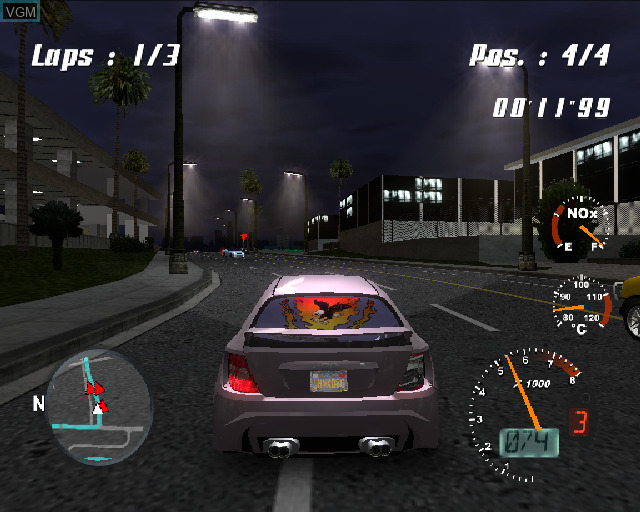
Let's be fair: the game isn't a complete disaster. The visual customisation system was reasonably deep for its time, with layered paint jobs, positionable decals and performance upgrades that actually affected handling. The career mode had an "earn money, upgrade the car, move up a class" structure that worked.
The sense of speed on some of the night-time tracks also held its own, and the decal editor became a running joke/meme on a few nostalgia YouTube channels for allowing some genuinely embarrassing creations.
The Brand's Quiet Death on Consoles
After RPM Tuning, the Top Gear franchise simply evaporated from home consoles. There was no Top Gear 4, no competent reboot, no remaster. Kemco moved on to other things, the brand got tangled up in licensing, and the name became a kind of fond ghost in the imagination of Brazilian retro gamers.
In a world where even Clock Tower and Front Mission get remakes, it feels almost cruel that one of the most beloved racing games on the SNES ended its journey on such a sour note.
Worth Giving It a Second Chance Today?
If you're willing to face RPM Tuning in 2026 without comparing it to Underground, without comparing it to Top Gear 2, and with the mindset of someone renting a B-movie on a rainy Friday — yes, it delivers a couple of curious hours of cheesy nostalgia. The handling is stiff, the AI is dumb, but there's something charming about that PS2 spitting out polygons with real enthusiasm.
Now, treating it as "a real Top Gear"? That's a battle it lost in 2004 and will never win. And maybe that's fine — not every legacy needs a sequel. So, did you play RPM Tuning back in the day, or did you only just discover it existed thanks to a weird name popping up on Google?
Read next

Top Gear: Loved by Brazilians and Forgotten by the World
Why did SNES's Top Gear become a national religion in Brazil while the rest of the world barely remembers the game? The …
Mega Man X: The SNES 16-Bit Revolution That Marked a Generation of Gamers
Dash, wall-jump and an android in existential crisis: why 1993's Mega Man X is still a masterclass in 16-bit game design …
Top Gear 3000: The Intergalactic Classic That Marked the Super Nintendo
Top Gear 3000 took the franchise into space in 1995, used the DSP-1 chip, and became a hidden SNES gem. Why did so few …
Comments